Kling Image Omni
Create professional visuals with Kling Image O3. Features "Reference Attention" for consistent characters, native 4K resolution, and storyboard logic. Try it on Somake.
Kling Image Omni AI Generator
The Kling Image Omni family unifies text and image processing into a single intelligence, delivering "Omni-level" fidelity with an understanding of physical object permanence.
Current Version: Kling Image O3. Access legacy versions via the version dropdown on the left.
Kling Image O3 is the professional standard for narrative consistency. It introduces native multi-reference tagging and direct 4K output, solving the industry's struggle with character continuity.
What Makes Kling Image O3 Superior?

Native 4K "Hyper-Texture"
Stop upscaling blurry results. O3 generates native 4K resolution directly from the inference pipeline.
This delivers "raw photography" quality—micro-textures like skin pores, fabric weaves, and rust are rendered with physically accurate light scattering, ready for commercial print immediately.
Logic-Driven Composition
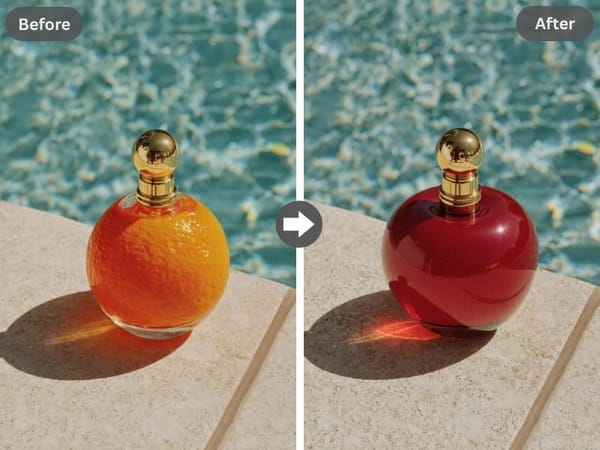
The model’s standout capability is its "deep semantic understanding." Instead of requiring you to draw manual masks or circle areas to edit, Kling O1 interprets your instructions naturally.
It analyzes the visual logic of up to 10 source images (currently optimized for 3 active inputs on Somake) to perform complex edits.
Consistent Visual Identity
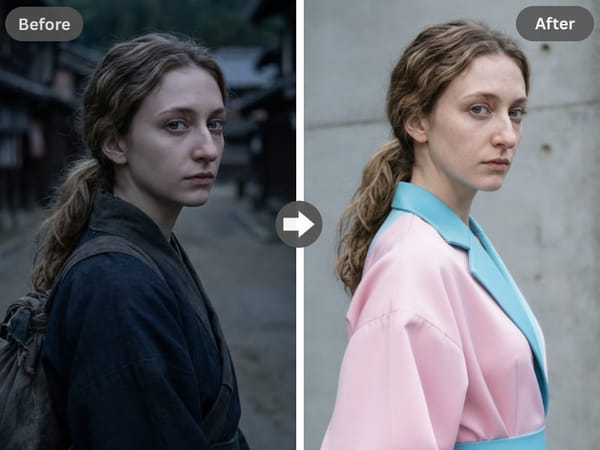
O3 eliminates the "random face" problem. Using the Reference Attention Mechanism, you can "lock" specific identities (faces, products, clothing) across different seeds.
The model treats your reference image as a fixed actor, ensuring they look identical whether they are laughing in a café or running in the rain.
Best Use Cases for Kling Image O3
Video Pre-Visualization
Kling O3 images are the optimal "Golden Frames" for image-to-video workflows. Generating your keyframes here guarantees maximum stability when animating them later.

Commercial Product Placement
Upload a product reference and generate infinite marketing assets. O3’s physics engine ensures reflections and shadows interact realistically with your product in any new environment.
Narrative Storyboarding
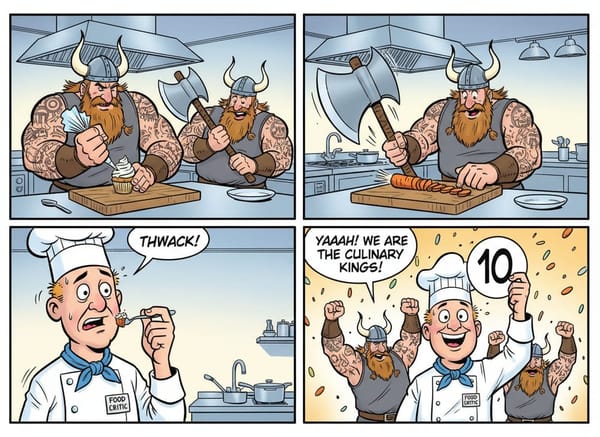
Create consistent comic strips or movie storyboards. Use the @ tag syntax to place the same character in sequential scenarios without identity morphing.
Prompt Guide
The Syntax: Use @Image1, @Image2, and @Image3 to refer to your uploaded reference images.
Basic Structure: [Subject Reference] + [Action] + [Environment] + [Lighting] + [Style]
Example Prompt:
Put the woman from @Image1 onto the leather sofa in @Image2. Ensure she is holding the coffee cup from @Image3. Maintain cinematic lighting and photorealistic texture.
Best Practices:
Be Explicit: Clearly state which image plays what role (e.g., "Use @Image1 as the background").
Avoid Masks: Do not describe pixel coordinates; describe the semantic relationship.
Sequencing: Ensure your text prompt matches the order of images uploaded to the Somake interface.
Version History
| Version | Release | Key Updates |
|---|---|---|
| Kling Image O3 | Feb 2026 | Native 4K, Multi-Reference Tags (@), Series Mode. |
| Kling Image O1 | Dec 2024 | Omni architecture debut, basic consistency. |
Why Choose Somake
Curated User Experience
We stripped away the developer jargon to give you a clean, creative interface. Somake manages the complex API connections behind the scenes, so you only need to focus on your prompt and your images.
Scalable Reference Support
We provide a pathway from standard use to enterprise-grade capabilities. While our standard tier supports 3 images, Somake offers dedicated support channels for enterprise users needing the full 10-image reference capacity.
High-Fidelity Infrastructure
Our platform is optimized to handle the heavy compute load of 4K semantic generation. Somake ensures stable connections and consistent uptime for Kling O3’s resource-intensive logic, minimizing failed generations during complex tasks.