T-Shirt Design
Generate print-ready AI shirt designs in seconds. Perfect for Etsy, Redbubble, and merch projects.
Create Custom Shirt Graphics Instantly
Turn text prompts into print-ready shirt graphics. Somake generates native SVG files—vector artwork that scales perfectly from mockup to manufacturing.
How to Design T-Shirts with AI
Step 1: Describe Your Subject
Be specific. Example: Use 'Wolf howling at moon...' instead of just 'wolf'. Use the AI Improve button to enhance vague prompts.
Step 2: Choose a Style
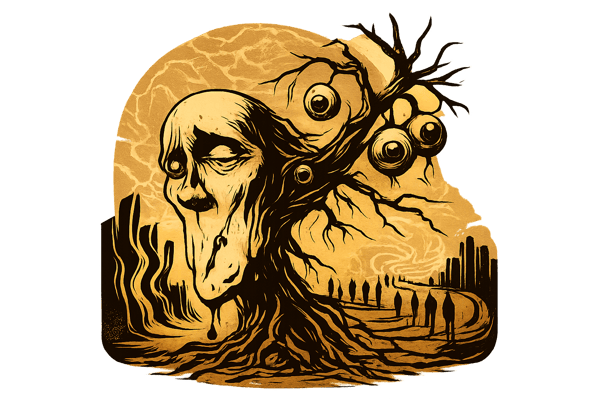
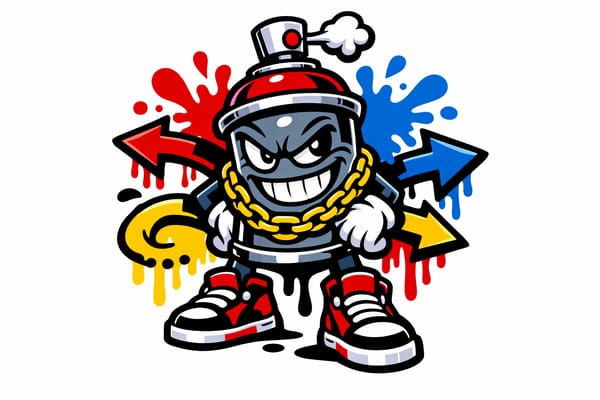
Select from Cartoon, Streetwear, Vintage, Grunge, Line art, or Graffiti. Pick Custom for unique aesthetics.
Step 3: Generate and Iterate
Review outputs and run variations. Most users try different styles or adjust descriptions to explore possibilities.
Key Features
Native SVG Vector Output
Every design exports as a true vector file. Unlike raster images from most AI generators, SVG artwork maintains perfect clarity whether printing a pocket logo or oversized back panel. No pixelation, no quality loss.
Unlimited Generation
Test vintage aesthetics against modern minimalism. Explore typography treatments. Develop full collections.
Commercial-Ready Files
Downloaded files are yours to use—print them, sell them, build a brand. Vector format integrates directly with POD platforms and production workflows.
Use Cases
Print-on-Demand Storefronts
Test niche concepts quickly, identify what resonates, scale winners without production bottlenecks. A novelty design selling 50 units becomes viable when creation cost approaches zero.
Personal Projects
Family reunions, bachelor parties, team events. Describe meaningful elements and generate designs that would otherwise require explaining your vision to a professional.
Brand Merchandise
Generate concepts directly—translating brand guidelines into tangible options before formal production. Present three AI-generated directions to leadership instead of describing them in PowerPoint.